Vohibe 3 : découverte d’un nouveau groupe !

Vohibe 1112 Anselmo 189b (600x800)Vohibe 3 : new group discovered!

(à partir du rapport de/ from report of Anselmo Andrianandrasana)

L’AFSGH a financé en décembre une troisième mission à Vohibe organisée par The Aspinall Foundation et le GERP.

Les objectifs de cette mission :

- Poursuivre le suivi de la population de grands hapalémurs.

- Poursuivre les actions de sensibilisation auprès des communautés villageoises et dans les écoles.

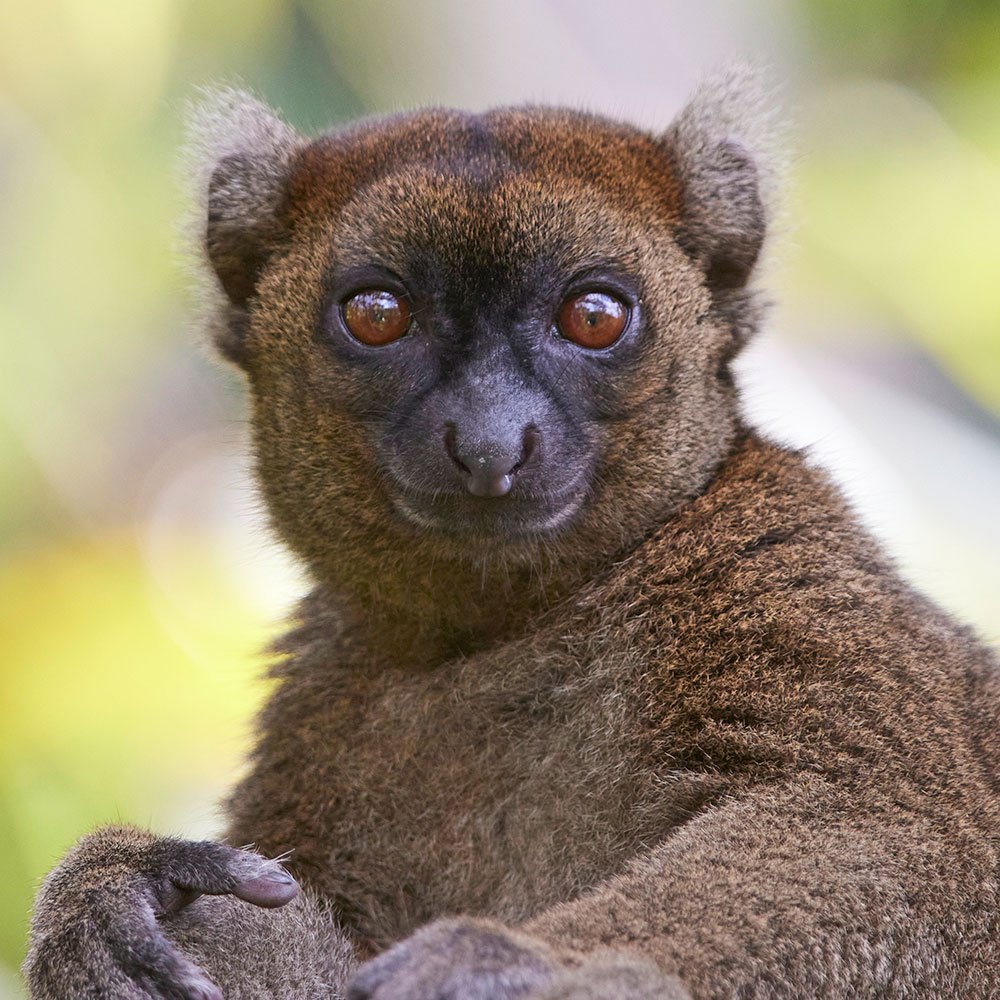
Un nouveau groupe de grands hapalémurs a été repéré, composé de 5 individus. Ainsi depuis mai 2011, 19 individus ont été observés divisés en 3 groupes et un individu solitaire :

Groupe 1 (Vohibe Est) : 5 adultes dont 2 mâles, 2 femelles et 1 non sexé, 1 subadulte non sexé et un bébé mâle de 2 mois.

Groupe 2 (Vohibe Est) : 5 adultes dont 1 mâle, 1 femelles et 3 non sexés et 1 subadulte non sexé.

Groupe 3 (Vohibe Est) : 1 individu seul non séxé.

Groupe 4 (Vohibe Ouest) : 1 couple.

Une première étude préliminaire a été réalisée sur le Groupe 1 ce qui a permis d’obtenir des données sur le rythme d’activité des animaux : Alimentation (20%), Repos (45 %), Déplacement (31 %) et Activités sociales (4%).  Même si cette fois, les animaux sont moins mobiles (ce qui n’est pas le cas du groupe 2 nouvellement découvert), ils restent cachés dans le feuillage et leur observation est difficile; conséquence d’une pression anthropique importante (chasse, coupe de bois,…) déjà évoquée dans les premiers rapports.

De nouveaux échantillons de fécès ont été collectés pour les analyses génétiques.

De nouvelles activités de sensibilisation ont été organisées dans  :

-4 villages : ateliers participatifs au cours desquels les villageois ont exprimé leurs difficultés et avec de l’aide leur volonté de changer leurs habitudes pour diminuer l’exploitation de la forêt.

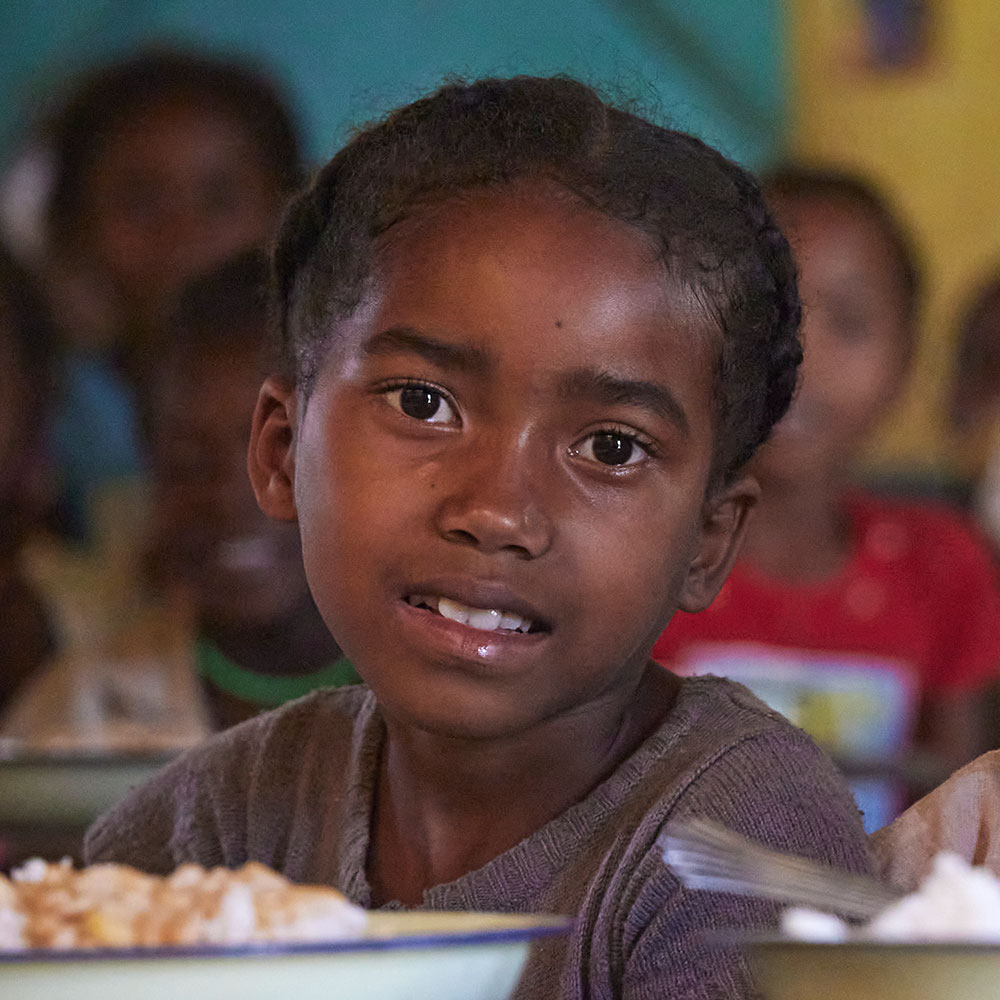
-3 écoles dont 2 écoles primaires et un collège soit près de 300 enfants : Les activités, préalablement préparées avec les enseignants, ont évaluées pour tester les connaissances des élèves. Les résultats sont très encourageants. Il est à noté que de telles activités n’avaient jamais été organisées dans le collège auparavant. De nombreux cahiers ont été distribués ainsi que des posters de l’AFSGH. Mais les besoins sont énormes (infrastructures, matériel scolaire, bibliothèque,…) et rendent l’education très difficile.

Quelle est la suite après ces 3 missions à Vohibe? Il reste en effet tellement de choses à faire…Nous réfléchissons à la suite à donner maintenant et vous tiendrons vite au courant…

Vohibe 1111 Anselmo (165) (800x600)Vohibe 1111 Anselmo (144) (800x600)

Vohibe 1111 Anselmo (189) (800x600)Vohibe 1111 Anselmo (238) (800x600)

Vohibe 1111 Anselmo (272) (800x600)Vohibe 1111 Anselmo (243) (800x600)

Vohibe 1111 Anselmo (142) (800x600)Vohibe 1111 Anselmo (257) (800x600)


The AFSGH funded in December a third mission at Vohibe organized by The Aspinall Foundation and the GERP.

The objectives of this mission:

- Continue to monitor the population of greater bamboo lemurs.

- Continue to raise awareness among village communities and schools.

A new group of greater bamboo lemurs was identified, composed of five individuals. And since May 2011, 19 individuals were observed divided into three groups and a lone individual:

Group 1 (Vohibe East): 5 adults among them 2 males, 2 females and 1 unsexed, 1 unsexed subadult male and a baby of two months.

Group 2 (Vohibe East): 5 adults among them 1 male, 1 female and 3 non-sexed and unsexed subadult 1.

Group 3 (Vohibe East): a single unsexed individual.

Group 4 (Vohibe West): 1 pair.

A preliminary study was conducted on  group 1 that helped to obtain data on the activity rhythm of animals: feeding (20%), Restinf (45%), Moving  (31%) and Social Activities (4%). Although this time the animals are less mobile (that is not the case for the group 2 newly discovered), they remain hidden in the foliage and their observation is difficult; consequence of a significant anthropogenic pressure (hunting, cutting wood, ) already mentioned in early reports.

New samples of faeces were collected for DNA analysis.

New awareness activities were organized:

-4 Villages: participatory workshops in which the villagers expressed their difficulties and  their willingness to change their habits to reduce the exploitation of the forest but need help for that.

-3 schools : 3 primary schools and one college; nearly 300 children. Activities, previously prepared with the teachers, were evaluated to test students’ knowledge. The results are very encouraging. It should be noted that such activities had never been organized in the college before. Many books were distributed and posters of AFSGH. But the needs are enormous (infrastructure, school materials, library, ) and make education very difficult.

What comes next after these three missions at Vohibe? It is indeed so much to do … We are considering further actions now and let you know soon

Zahamena : compte-rendu de mission

carte vohibe zahamenaZahamena : mission report

Tiré du rapport/from report of d’Anselmo Andrianandrasana et/and al.

En octobre-novembre 2011, l’AFSGH a financé une étude des populations de grand hapalémur dans le Parc National de Zahamena où des traces ont été observées en 2010. Cette étude a été réalisée par The Aspinall Foundation, le Groupe d’Etude et de Recherche des Primates de Madagascar (GERP) et l’association Mitsinjo.

In October-November 2011, the AFSGH funded a study  of greater bamboo lemur populations in the National Park Zahamena where traces were found in 2010. This study was conducted by The Aspinall Foundation, Groupe d’Etude et de Recherche des Primates de Madagascar (GERP) and association  Mitsinjo.

Cette fois encore aucune observation directe de grand hapalémur n’a pu être faite, mais de nouvelles traces plus nombreuses qu’en 2010 ont été relevées. Voir photos ci-dessous : reste de bambou consommé par des grands hapalémurs.

Again no direct observation of greater bamboo lemur could be made, but many more new tracks were recorded than in 2010. See photos below: Bamboo consumed by greater bamboo lemur.


Zahamana2Zahamena2

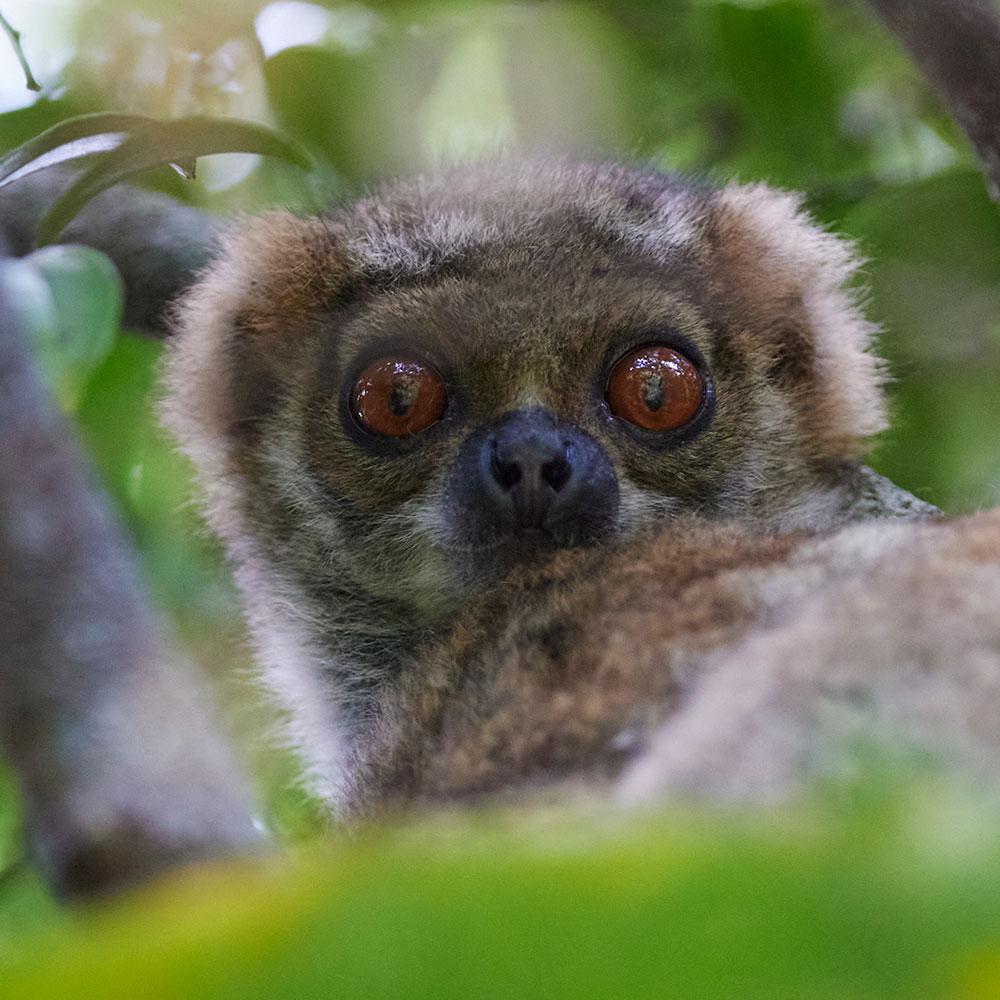
Les populations de petit hapalémur, Hapalemur occidentalis, présentes également dans le parc et dont on connait peu de choses, ont également été suivies durant cette étude : abondance de l’espèce, description de l’habitat, alimentation et rythme d’activités. 

Populations of  Hapalemur occidentalis, also present in the park and little known, were also followed during this study: abundance of the species, habitat description, diet and activities rythm.

Le parc abrite d’autres espèces de lémuriens qui ont aussi pu être observées pendant cette étude : indri, lépilémur, propithèque diadème, avahi, lémur vari, lémur brun, ainsi que des traces de ayes-ayes.

Several species of lemurs live in the park and have also been observed during this study: indri, Lepilemur, diadem sifaka, avahi, ruffed lemur, brown lemur, and traces of ayes-ayes.

Zahamana3Bien que le parc soit protégé, de nombreux pièges à lémurien ont été trouvés. Les pressions anthropiques sont nombreuses : coupe bois et bambou, chasse (avec des chiens parfois), pêche, collecte de miel, exploitation minière…

Although the park is protected, many lemur traps were found. Anthropogenic pressures are numerous: cut wood and bamboo, hunting (with dogs sometimes), fishing, gathering honey, mining… 

Vohibe 2

(A partir du rapport d’Anselmo Andrianandrasana).

La deuxième mission à Vohibe a eu lieu en septembre 211. Les objectifs étaient :

-Suivi de la population de grand hapalémur découverte pendant la 1ère mission et identification des menaces.

-Sensibiliser les représentants des communautés locales à la conservation du grand hapalémur

-Organiser des activités d’éducation environnementale au sein des établissements scolaires.

Les photos ont été prises par Anselmo.

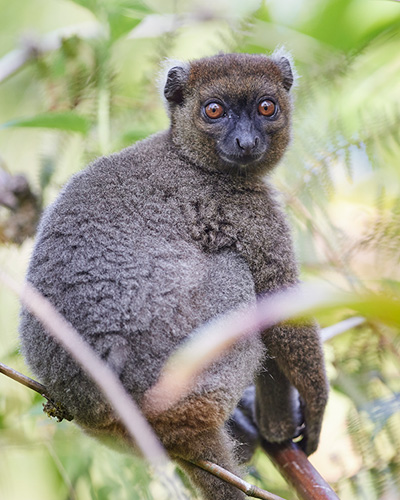
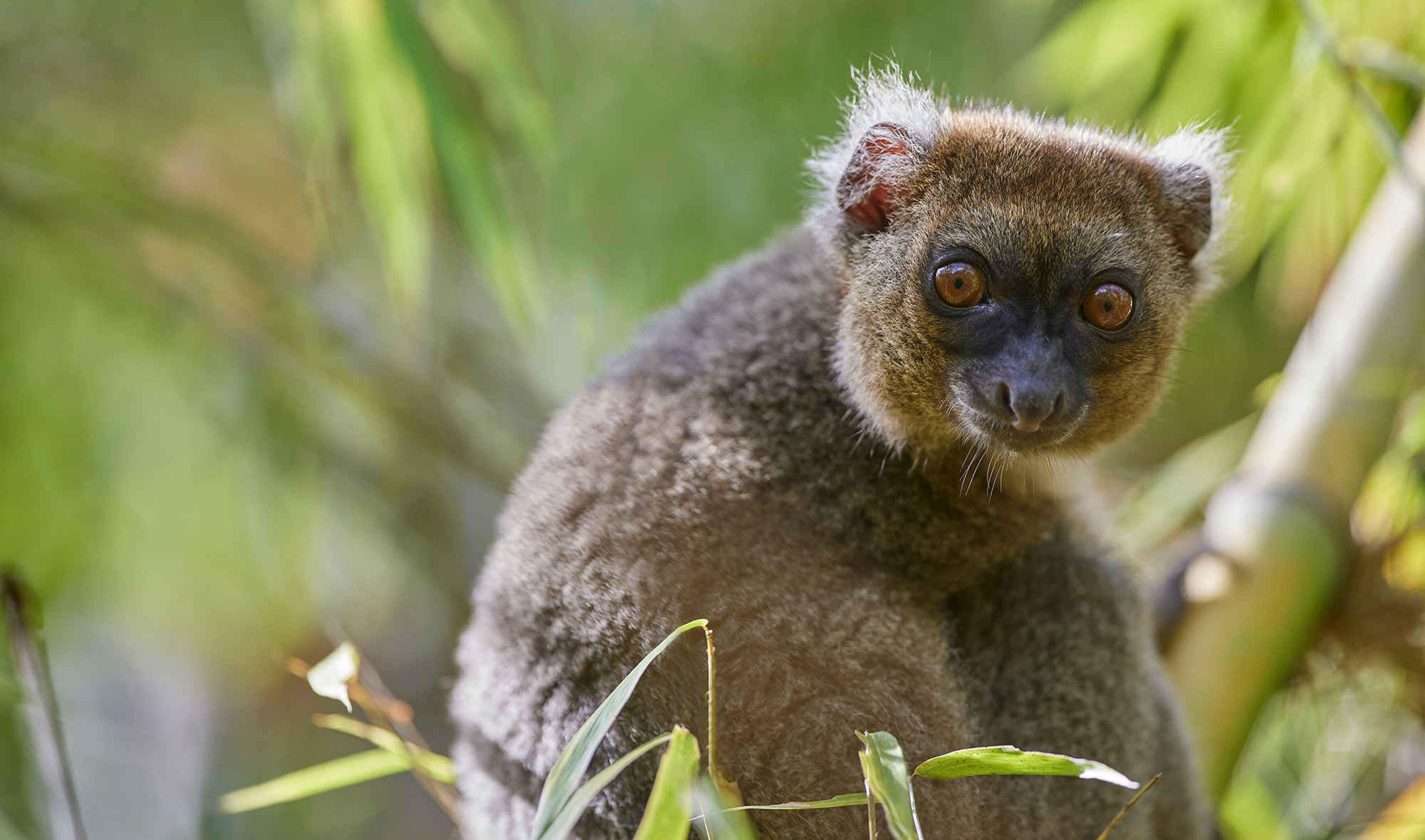
Vohibe 1112 Anselmo 139b (600x800)Ci-contre et ci-dessous les premières photos des grands hapalémurs de Vohibe.

13 individus ont été observés dont 1 jeune (cf. photos). Les animaux restent difficiles à observer, sont très mobiles et occupent les parties les plus inaccessibles de la forêt; conséquence des fortes pressions anthropiques que subissent les grands hapalémurs.


 Vohibe 1112 Anselmo 149b (800x600)Vohibe 1112 Anselmo 155b (800x600)

Vohibe 1112 Anselmo 165b (800x600)Vohibe 1112 Anselmo 200b (600x800)


Vohibe 1109 Anselmo 128 small (800x600)Cette 2ème mission a permis d’organiser plusieurs actions de sensibilisation auprès des communautés locales et de leurs représentants et dans les écoles : ateliers participatifs réunissant les représentants des communautés locales de plusieurs villages, les représentants des associations et ONGs actives dans la région, les autorités locales, les villageois installés autour de la forêt et  les enseignants. De nombreux échanges ont eu lieu pendant ces ateliers sous diverses formes qui ont permis de :

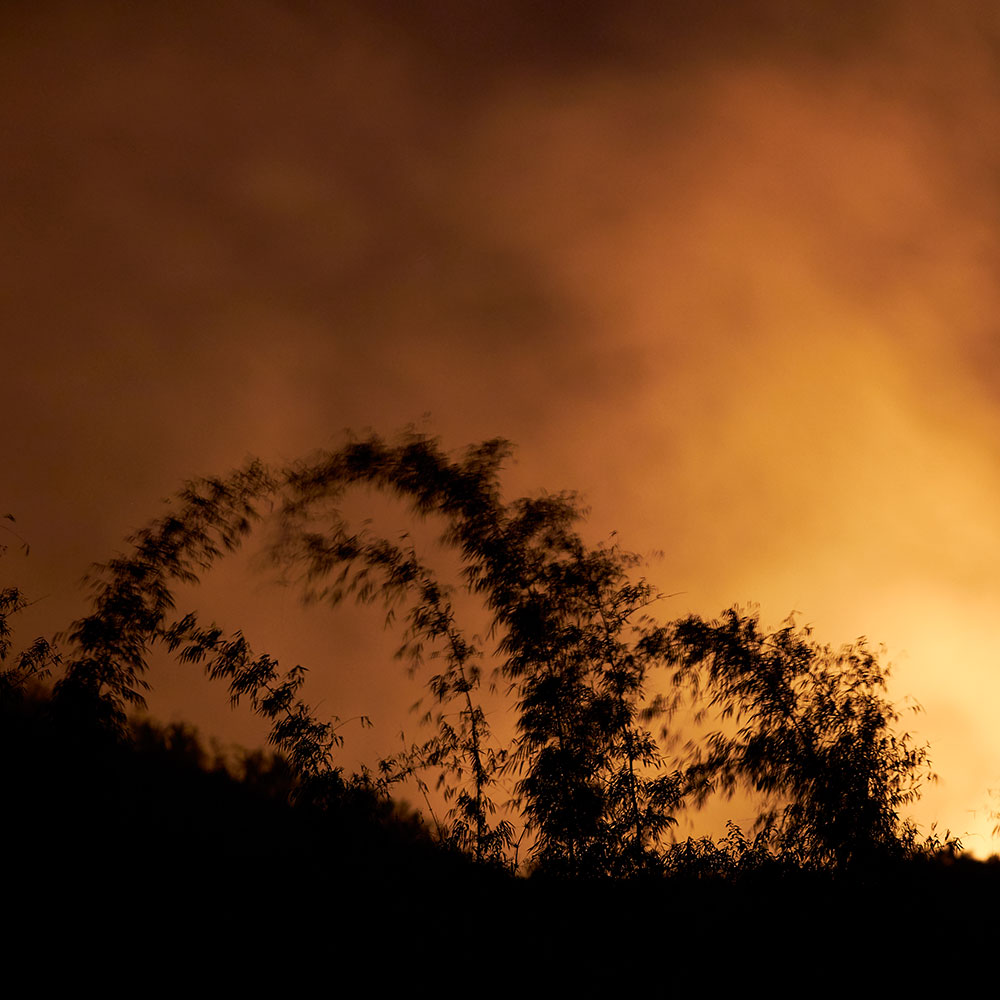
-Identifier les difficultés auxquelles font face quotidiennement les villageois conscients de l’impact négatif qu’entraine l’utilisation de la forêt : coupe de bois et de bambou pour la construction des maisons, de clotures ou de pirogues), recherche de nourritures (ovy ala = tubercules d’ignames sauvages, plantes médicinales), chasse (directe ou pièges; divers animaux), culture sur brûlis (feux de brousse qui ont provoqué la destruction d’une partie de l’habitat du grand hapalémur)…

-Sensibiliser de nombreuses personnes à la conservationde la biodiversité et du grand hapalémur en particulier, dont certaines seront des relais auprès des communautés villageoises.

-Rappeler les lois sur l’exploitation forestière.

-Présenter les ONGs sur place, en particulier The Aspinall Foundation.

-Discuter des changements climatiques liés à la destruction de la forêt : sécheresse depuis 3 ans ayant pour conséquence une diminution du rendement agricole et une augmentation des maladies chroniques.

Le résultat de ces échanges a aboutit à l’élaboration d’un premier texte pour la protection de Vohibe signé par tous les participants.

 Vohibe 1109 Anselmo 441 small (800x600)


Des animations ont également été organisées dans les écoles.

Vohibe 1109 Anselmo 170 (800x600)Vohibe 1109 Anselmo 195 (800x600)

Vohibe 1109 Anselmo 213 small

Anselmo recommende de poursuivre les activités de sensibilisation, d’aider les établissements et le développement, de poursuivre le suivi de la population de grand hapalémur et de restaurer l’habitat, et de mettre en place un plan d’aménagement de la forêt.

Cette seconde mission ainsi que la 3ème organisée en fin d’année par The Aspinall Foundation et GERP ont été financées par l’AFSGH.


(From the report of d’Anselmo Andrianandrasana)

The second mission took place  in September 211. The objectives were:

-Study the population of greater bamboo lemur discovered during the first mission and identify threats.

-Educate representatives of local communities  to the conservation of greater bamboo lemur

-Organize environmental education activities in schools.

The photos were taken by Anselmo including the first pictures of the greater bamboo lemur at Vohibe.

13 individuals were observed with a young (see photos). The animals are difficult to observe, are highly mobile and occupy the most inaccessible parts of the forest, a result of strong anthropogenic pressures faced by greater bamboo lemur.

The second mission has allowed to organize several awareness-raising among local communities and their representatives and schools: participatory workshops bringing together representatives of local communities in several villages, representatives of associations and NGOs active in the region, the local authorities, villagers settled around the forest and teachers. Many exchanges took place during the workshops in various forms that have helped to :

-Identify the challenges faced every day the villagers, aware of the negative impact arising from the use of the forest : cutting wood and bamboo to build houses, fences or pirogues), food (Ovy ala = wild yam tubers, medicinal plants), hunting (direct or traps, various animals), slash and burn (bush fires that caused the destruction of part of the habitat of greater bamboo lemur) …

-Awareness of many people to the conservation of biodiversity and the greater bamboo lemur, in particular, some of them will link with the village communities.

-Remind-laws on logging.

-Present the NGOs on the spot, especially The Aspinall Foundation.

-Talk of climate change related to destruction of the forest: drought for three years with a consequent reduction in crop yield and increase in chronic diseases.

The result of these exchanges has led to the development of a first draft for the Protection of Vohibe signed by all participants.

Animations were also organized in schools.

Anselmo Recommended to continue outreach activities, to assist schools and development, to continue monitoring the population of greater bamboo lemur and restore habitat, and develop a management plan for the forest.

This second mission and the third at year end by The Aspinall Foundation and GERP were financed by the AFSGH.

L’arrivée de Téthys à Madagascar

Arrival of Tethys at Ivoloina (photos Dorothée Ordonneau)

Ci-dessous les premières photos de l’arrivée de Téthys à Madagascar. Né à Paris, il a été transféré de Besançon à Ivoloina en octobre. c’est le deuxième grand hapalémur né en captivité en Europe à rejoindre la terre de ses origines. l’AFSGH a participé au frais de location du minibus qui a fait le trajet Antananarive-Ivoloina.

Below are the first pictures of the arrival of Tethys in Madagascar. Born in Paris, Tethys was transferred from Besançon to Ivoloina in October. It is the second  greater bamboo lemur born in captivity in Europe to go back to the land of its origins. AFSGH participated in the rental costs of the minibus who made the trip-Ivoloina Antananarivo.

Arrivée à l’aéroport/Arrival at airport :

P1050460 (800x600)P1050456 (800x600)

P1050461 (600x800)P1050465 (800x600)

 L’équipe/The Team : Madagascar Fauna Group (Ivoloina), Ministère de l’Environnement et des Forêts, Muséum de Besançon, Costwold Wildlife Park et/and AFSGH


P1050467 (800x600)P1050471 (600x800)

 L’ouverture de la caisse et les premiers pas/Opening of the crate and first steps :

P1050556 (600x800)P1050562 (600x800)

 Tethys et/and Bekily : Love story !

P1050715

Livraison des fournitures scolaires à Vohitrarivo

mission Vohitrarivo sept 2011 063 (600x800)Delivery of school supplies to Vohitrarivo

L’école de Vohitrarivo (projet « bamboo lemur ») est très isolée et a peu de moyens. En mai, le comité d’éducation avait demandé à l’AFSGH un soutien matériel pour la prochaine rentrée scolaire. Ainsi en septembre, Nary Randrianarijaona, notre représentant à Madagascar, a apporté des fournitures scolaires pour l’école : cahiers, crayons,…Il était accompagné par Dorothée Ordonneau, vétérinaire, qui nous a envoyé ces photos. Dorothée est allée ensuite à Ivoloina où elle a passé plusieurs semaines pour préparer notamment l’arrivée de Téthys (mâle grand hapalémur originaire de Besançon).

The Vohitrarivo school (project « bamboo lemur ») is very isolated and has few ressources. In May, the Education Committee had asked AFSGH material support for the next school year. In September, Nary Randrianarijaona, our representative in Madagascar, brought then school supplies to the school : notebooks, pencils, He was accompanied by Dorothy Ordonneau, veterinarian, who sent to us these pictures. Dorothy went later to Ivoloina where she spent several weeks : she prepared the arrival of Tethys (male greater bamboo lemur from Besançon).


 mission Vohitrarivo sept 2011 071 (800x600)mission Vohitrarivo sept 2011 079 (800x600)


mission Vohitrarivo sept 2011 085 (800x600)


En mai nous avions apporté des ballons pour les récréations. Cette fois  des cordes à sauter ont été distribuées.

In May we brought ballons. Skipping ropes were then distributed  during this visit.

mission Vohitrarivo sept 2011 087 (800x600)mission Vohitrarivo sept 2011 094 (800x600)

mission Vohitrarivo sept 2011 091 (600x800)mission Vohitrarivo sept 2011 093 (600x800)


Bonne année ! / Happy New Year !

Diapositive1Diapositive2

La tournée est un succès !

FGG_2930 -® F-G Grandin MNHNThe tour is a success !

La tournée a commencé le vendredi 14 octobre au Muséum national d’Histoire naturelle avec une première conférence « De Madagascar au Zoo de Vincennes, histoire du sauvetage des lémuriens en péril » de Jonah Ratsimbazfy, Secrétaire Général du GERP (Groupe d’étude et de Recherche sur les Primates de Madagascar), avec lequel l’AFSGH collabore. Delphine Roullet, Présidente de l’AFSGH, mais également Responsable des Primates au Zoo de Vincennes et coordinatrice de plusieurs programmes d’élevage pour les lémuriens a également participé à cette conférence pour parler des lémuriens et du Zoo : l’historique, le présent et les actions de conservation à Madagascar dont le soutien à l’AFSGH et le futur avec une présentation de la zone lémuriens du zoo rénové.


FGG_2935 -® F-G Grandin MNHN

The tour began Friday, October 14 at the Muséum national d’Histoire naturelle, with a first conference « From Madagascar to the Zoo de Vincennes, story of the rescue of endangered lemurs » of Jonah Ratsimbazfy, Secretary General of GERP (Groupe d’étude et de Recherche sur les Primates de Madagascar), with which the AFSGH works. Delphine Roullet, President of the AFSGH but also Curator of Primates at the Zoo de Vincennes and coordinator of several breeding programs for lemurs also participated to the conference and talk about the lemurs and the Zoo: the history, present and conservation efforts in Madagascar including the support of AFSGH and the future with a presentation of the lemurs in the renovated zoo .


Saint Mandé 2Les mêmes conférences ont été données le lendemain à la Mairie de Saint-Mandé.

The same conferences were given the following day at the City Hall of Saint-Mandé.


 Saint Mandé 1saint mandé 3


FGG_3452 -® F-G Grandin MNHNLe 17 octobre, la tournée s’est poursuivie à Besançon : Jonah Ratsimbazafy y a donné une conférence sur les lémuriens et la forêt de Madagascar et Delphine Roullet a fait un premier bilan des activités de l’AFSGH  devant notamment le personnel du Muséum de Besançon et les membres de l’Association des Amis du Muséum et de la Société d’Histoire Naturelle du Doubs, qui ont soutenu l’AFSGH dès le début. Les photos de grands hapalémurs (exposition inaugurée à Verderonne en juin dernier) de François-Gilles Grandin et Sébastien Meys ont eu beaucoup de succès toute la soirée. Et la boutique itinérante de Helpsimus a été visitée après les conférences par de nombreux participants.

On 17 October, the tour continued at Besançon: Jonah Ratsimbazafy gave a conference  on the lemurs and the forests of Madagascar and Delphine Roullet made ​​a presentation of the AFSGH activities in front of people of the Museum de Besançon and members of the Association of Friends of the Museum and the Société d’Histoire Naturelle du Doubs, who supported the AFSGH from the beginning. The Photos of greater bamboo lemur (exhibition inaugurated in June at Verderonne) by François-Gilles Grandin and Sébastien Meys  have had a great success throughout the evening. The shop of Helpsimus was visited after the conference by many participants.


 FGG_3463 -® F-G Grandin MNHNFGG_3438 -® F-G Grandin MNHN

FGG_3434 -® F-G Grandin MNHNFGG_3433 -® F-G Grandin MNHN


FGG_3607 -® F-G Grandin MNHNLa tournée s’est achevée à Grenoble (19-21/10) où l’AFSGH a participé au colloque annuel de la Société Francophone de Primatologie (SFDP) qui a été clôturée par une dernière conférence de Jonah Ratzimbazafy. Delphine Roullet y a présenté l’AFSGH. Les participants au colloque pouvaient visiter l ’exposition photos de grands hapalémurs  les deux premiers jours du colloque et certaines photos sont visibles sur un écran du Muséum de Grenoble jusqu’en décembre dans le cadre de leur exposition sur les « forêts menacées ». 

The tour ended in Grenoble (10/19-21) where AFSGH attended the annual conference of the Société Francophone de Primatologie (SFDP), which ended with a final conference of Jonah Ratzimbazafy. Delphine Roullet presented  the AFSGH. The participants of the conference could visit the photos exhibition of greater bamboo lemur the first two days of the conference and some pictures are visible on a screen at the Museum of Grenoble until December as part of their exhibition on the « endangered forests« .


FGG_3507 -® F-G Grandin MNHNFGG_3509 -® F-G Grandin MNHN


La bourse « Conservation » de la SFDP a été allouée à l’ASFGH en hommage à Jean-Yves Robert à qui l’exposition photos a été également dédiée. 

The award « Conservation » of the SFDP was allocated to the ASFGH as tribute to Jean-Yves Robert, to whom the photo exhibition was also dedicated.

FGG_3528 -® F-G Grandin MNHNFGG_3583 -® F-G Grandin MNHN


La tournée a permis de récolter un peu plus de 2000 euros qui alimenteront la bourse « Jean-Yves Robert » et qui seront versés au projet « bamboo lemur » en son nom.

The tour has raised just over 2000 euros that will fuel the grant « Jean-Yves Robert », which will be donated to the project « bamboo lemur » in its name.

 Photos : F-G Grandin et HLN

Thétys en route pour Madagascar…

Besançon simus 8mai2011Thétys on the road of Madagascar…

Thétys est un mâle grand hapalémur né au Parc Zoologique de Paris et transféré il y a plusieurs mois du Zoo de Cologne au Muséum de Besançon. Il a pris ce soir un vol pour Madagascar accompagné de Mélanie Berthet (vétérinaire au Muséum de Besançon), Jamie Craig (Gestionnaire de collection au Costwold Wildlife Park) et Benoît Quintard (vétérinaire au Zoo de Mulhouse). Après Bekily (femelle transférée au Parc Zoologique d’Ivoloina, Madagascar, en mai 2010), Thétys est le deuxième grand hapalémur né en captivité en Europe à rejoindre la terre de ses origines. Son avion se posera demain matin à Antananarivo. Ensuite il prendra la route en direction de Tamatave, et arrivera en fin de journée au Parc Zoologique d’Ivoloina où il rejoindra Bekily.

En mai prochain, c’est une femelle, Corinne, actuellement au Parc Zoologique d’Ivoloina, qui fera le chemin inverse et rejoindra, au Costwold Wildlife Park (UK), Ivongo, un jeune mâle.

La compagnie aérienne CORSAIR a pris en charge les frais de transport de Téthys. Antoine Michaelis, Directeur de CapWest était également à l’aéroport d’Orly pour aider à la logistique du transport.

HELPSIMUS (AFSGH) participe au frais de transport entre Antananarivo et Ivoloina : location de véhicule conduit par Nary Randrianarijaona, notre représentant à Madagascar.  Mélanie, Benoît et Jamie ont pris des posters sur le grand hapalémur, donnés par HELPSIMUS pour The Aspinall Foundation et le Parc Zoologique d’Ivoloina, ainsi que plusieurs paquets sous-vide (grâce à « la machine à vide » achetée par l’association) de croquettes folivores (photos ci-dessous).


posterscroquettes


Thétys is a male greater bambbo lemur, born at the Parc Zoologique de Paris and transferred several months ago from Cologne Zoo to the Museum de Besançon. He took a flight tonight to Madagascar accompanied by Melanie Berthet (veterinarian at the Museum of Besançon), Jamie Craig (Curator at the Cotswold Wildlife Park) and Benoit Quintard (veterinarian at Mulhouse Zoo ). After Bekily (female transferred to the Parc Zoologique d’Ivoloina, Madagascar, in May 2010), Thétys is the second greater bamboo lemur born in captivity in Europe to join the land of his origins. His plane will land tomorrow in Antananarivo. Then he will take the road to Tamatave, and arrive late afternoon at Ivoloina where he will join Bekily.

In May, Corinne, a female, currently living at Ivoloina, will do the opposite way and join Ivongo, a young male at Costwold Wildlife Park (UK).

The airline company,CORSAIR, took over the transport costs of Tethys. Anthony Michaelis, Director of CapWest was also at Orly airport to assist in transport logistics.

HELPSIMUS (AFSGH) took in charge the main part of the transport costs between Antananarivo and Ivoloina: rental vehicle driven by Nary Randrianarijaona, our representative in Madagascar. Mélanie, Benoît and Jamie took  posters on the greater bamboo lemur, donated by HELPSIMUS for The Aspinall Foundation  and Ivoloina Zoo, and several packages under vacuum (with « the vacuum machine » of the association) of follivorous pellets (photos above).

Ci-dessous les premières images du départ de l’aéroport d’Orly réalisées par F-G Grandin./Below are the first pictures from the Orly Airport made ​​by FG Grandin.

  FGG_3162© F-G Grandin wFGG_3172© F-G Grandin w

A gauche, Jamie Craig et Delphine Roullet, Présidente AFSGH, avec les posters. /Left, Jamie Craig and Delphine Roullet, President of AFSGH, with the posters.

A droite, arrivée de Thétys à l’aéroport./ Right, arrival of Thétys at the airport.

FGG_3178© F-G Grandin wFGG_3183© F-G Grandin w

A gauche, Mélanie Berthet (Besançon) et Benoît Quintard (Muslouse)/ Left Mélanie Berthet (Besançon) and Benoît Quintard (Muslouse).

FGG_3185© F-G Grandin wFGG_3196© F-G Grandin w

FGG_3253© F-G Grandin w

L’équipe au complet avec Antoine Michaelis./The full team with Antoine Michaelis.

Un grand merci à Christelle Robert pour son aide dans l’organisation de ce transport/ Many thanks to Christelle Robert for her help in the organization of this transport. 

Capwest et Helpsimus

antoine 2antoine1Capwest spécialiste du transport aérien et routier d’animaux soutient les actions de notre association depuis le début. S’occupant gratuitement de l’acheminement à Madagascar des livres collectés en France, Antoine Michaelis, Directeur de Capwest,  est venu  jeudi chercher un nouveau lots de livres donnés par des particiliers et destinés à la bibliothèque du Parc Zoologique d’Ivoloina, dont une magnifique encyclopédie. D’autres livres collectés à la Faculté de Jussieu ont été récemment envoyés à l’université d’Antananarivo.

De plus, Antoine a remis à notre présidente, Delphine Roullet, un chèque de 2000 Euros pour nos actions de conservation à Madagascar. Un grand merci à Capwest et en particulier à son Directeur.

Capwest, which is a specialist in transport of animals by road and air, supports the actions of our association from the beginning. Capwest organizes for free the transport of books collected in France to  Madagascar. Antoine Michaelis, Director of Capwest, came on Thursday and took a new batch of books donated by privates persons  for the Library of the  Ivoloina Zoo, among them a beautiful encyclopedia. Other books collected at the Faculty of Jussieu (Paris) were recently sent to the University of Antananarivo.

In addition, Antoine has given to our president, Delphine Roullet, a check for 2,000 Euros for our conservation activities in Madagascar. A big thank  to Capwest and in particular to its Director.

FGG_1701


Les premières photos de Vohibe

Vohibe 1105 Anjara Felana 48 smallAlors que l’équipe du GERP et de The Aspinall Foundation de mai-juin est de nouveau à Vohibé, ci-dessous les premières photos de la première expédition : Pas encore de photo de grand hapalémur ! Les lémuriens sont très craintifs et difficiles à observer… Mais le site est incroyable!

La troisième expédition est prévue pour novembre. Ces deux expéditions sont financées en grande partie par l’AFSGH grâce au soutien de la SECAS, du Costwold Wildlife Park et de Thoiry-Peaugres Conservation.

D’autres nouvelles, très bientôt…

While the team of the GERP and The Aspinall Foundation of May-June is again at Vohibe, below the first photos of the first expedition: No photos yet of greater bamboo lemur! The lemurs are very shy and difficult to observe …But the site is amazing!

The third expedition is scheduled for November. These two expeditions are financed largely by the AFSGH with the support of the SECAS, the Cotswold Wildlife Park and Thoiry-Peaugres Conservation.

More news soon…


 Vohibe 1106 Anselmo 19 smallVohibe 1105 Anselmo 45 small

 Vohibe 1105 Anselmo 06 smallVohibe 1106 Anselmo 18 small

Vohibe 1105 Anjara Felana 24 smallVohibe 1105 Anselmo 109 small

Vohibe 1106 Anselmo 110 smallVohibe 1106 Anselmo 122 small

Vohibe 1105 Anselmo 129 smallVohibe 1106 Anselmo 216 small

Vohibe 1105 Anjara Felana 33 small


@The Aspinall Foundation